
- Home
- About us
- Products
- Butt Fusion Machine
- Electrofusion Machines
- Socket Fusion Tools
- Plastic Extrusion Machines
- Plumbing Tools
- PE Pipe Fittings
- Flange Facing Machine
- Fire Protection Pipe Hanger
- A Series Butt Fusion Machines
- B Series Butt Fusion Machines
- A Pro Series Butt Fusion Machines
- Plastic Pipe Cutter
- A Max Series butt fusion machine
- Fusion Tools & Accessories
- Hinged Pipe Cutters
- Fusion Data Loggers
- Faqs
- News
- Certificate
- Contact us
Gruvmaster Roll Grooving Rollers: Plated vs. Stainless Steel
publisherRUBR
time2026/01/06
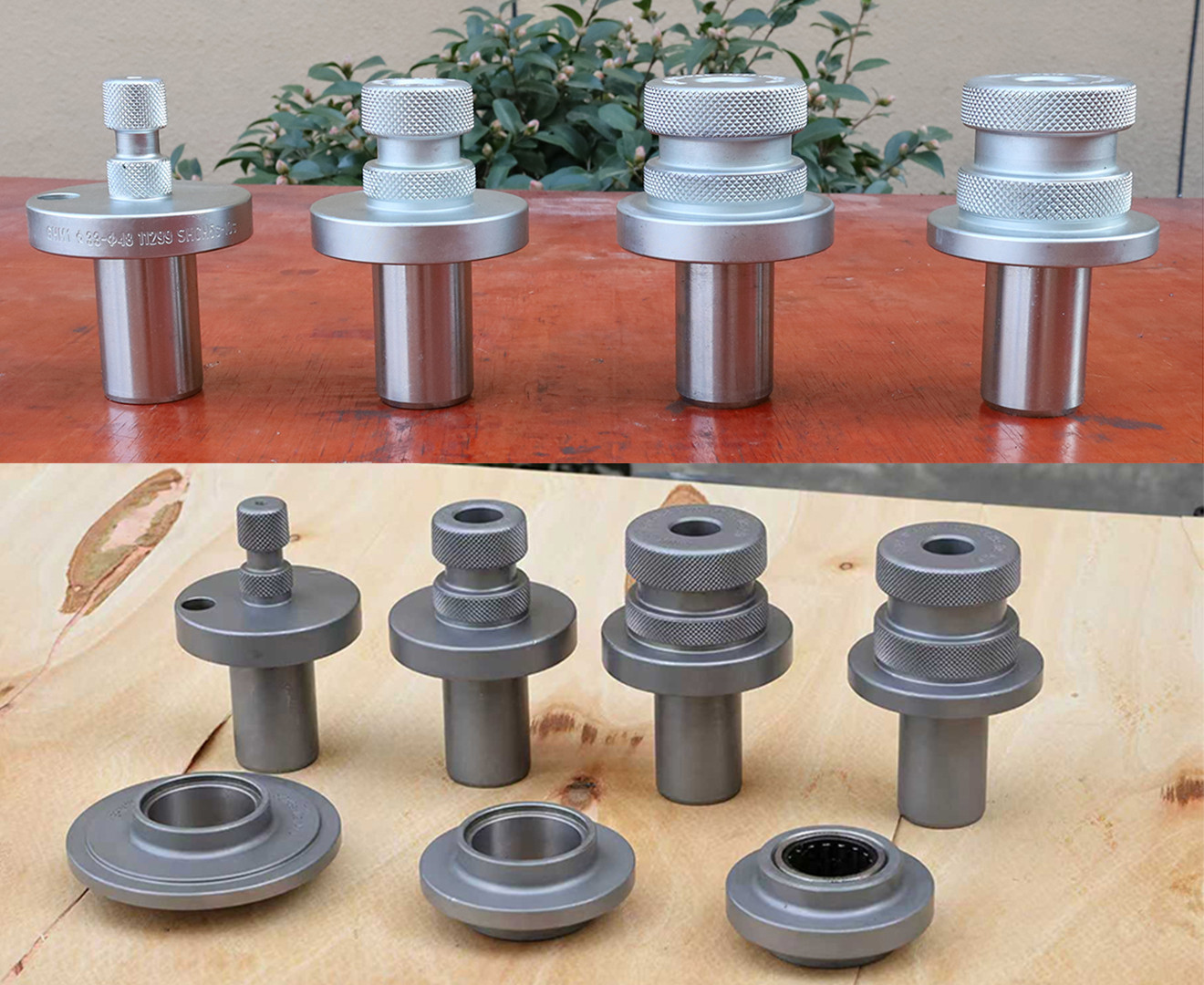
- This article explains the differences between plated rollers and stainless steel rollers used on Gruvmaster roll grooving machines. It focuses on thin-wall steel and stainless steel pipe applications, addressing deformation control, durability, and cost considerations. By matching roller selection to pipe wall thickness and operating conditions, users can achieve more consistent groove quality and stable roll grooving performance.
In roll grooving operations, attention is often placed on the machine itself, while the roller set—a critical component—is sometimes overlooked.
In practical use, especially on Gruvmaster roll grooving machines, the material and surface characteristics of the rollers have a direct influence on groove quality, particularly when processing thin-wall steel pipes and thin-wall stainless steel pipes.
There is no single roller solution suitable for all pipe types. Effective grooving depends on selecting rollers that match pipe wall thickness and application conditions.
Plated Rollers: A Practical Option for Thin-Wall Pipes and Cost Control
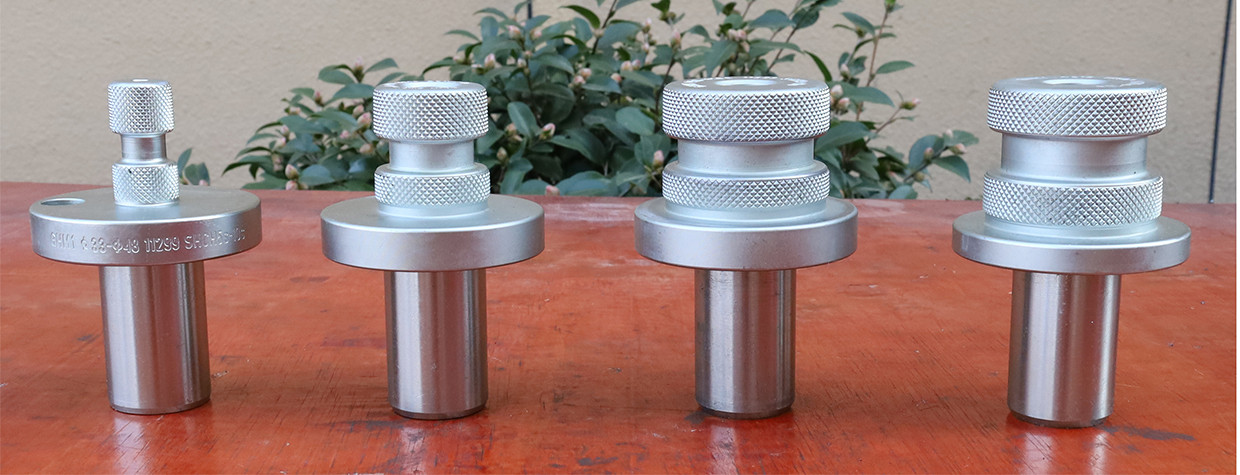
Plated rollers are primarily used for thin-wall steel pipes and thin-wall stainless steel pipes. They are also commonly selected by users who need to manage overall equipment cost.
When grooving thin-wall pipes, standard rollers can cause excessive pipe-end expansion, often referred to as a bell-mouth effect. This deformation may affect groove dimensions and interfere with proper coupling installation.
Due to their surface characteristics and pressure behavior during grooving, plated rollers are better suited to thin-wall applications. They help limit outward pipe deformation and allow groove formation to remain more controlled.
For users whose applications focus mainly on thin-wall pipes, plated rollers provide a cost-effective solution while maintaining acceptable grooving quality.
Stainless Steel Rollers: Higher Durability with Higher Cost
Stainless steel rollers represent the second common option.
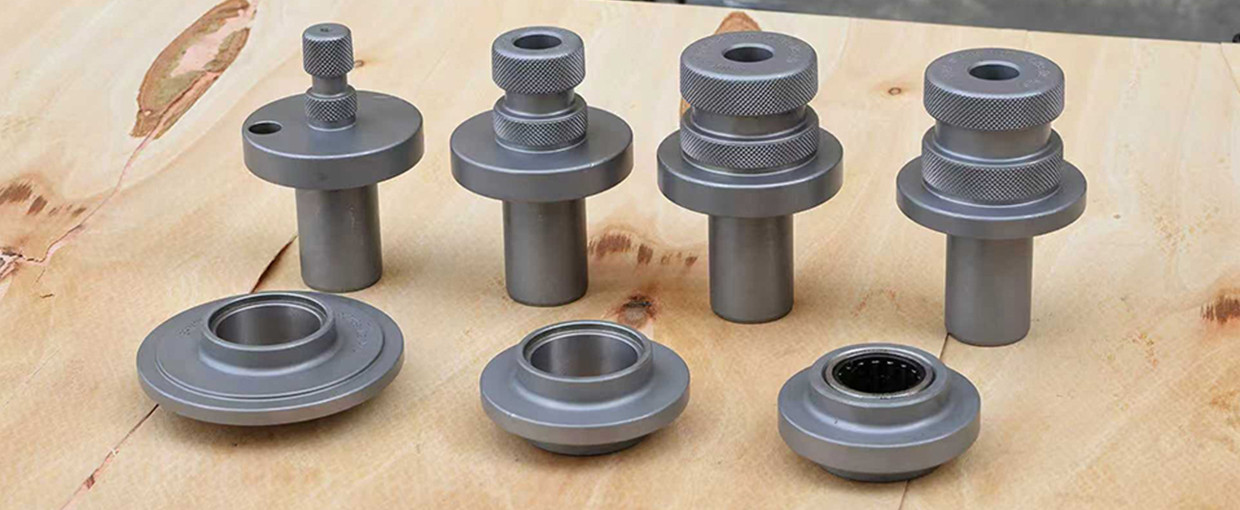
Their characteristics are clear: they do not rust, do not discolor, and maintain a stable surface condition over long-term use.
Compared with plated rollers, stainless steel rollers are less affected by wear or surface degradation. This makes them suitable for continuous operation and applications where long-term consistency and durability are required.
These advantages come with higher manufacturing costs, and stainless steel rollers are generally more expensive. They are typically selected by users who prioritize service life and stability over initial investment.
Roller Selection Depends on Application, Not Ranking
Plated rollers and stainless steel rollers should not be viewed in terms of “better” or “worse.”
For Gruvmaster automatic roll grooving machines, the appropriate roller choice depends on whether the roller matches the pipe wall thickness and operating conditions.
· Thin-wall pipe processing with cost considerations → Plated rollers
· Long-term stability, durability, and consistency → Stainless steel rollers
In many cases, selecting the correct roller set has a greater impact on grooving results than changing the machine itself.
Conclusion
For Gruvmaster roll grooving machines, choosing the appropriate roller set based on pipe wall thickness is one of the most effective ways to improve groove quality and overall processing consistency.