
- Home
- About us
- Products
- Butt Fusion Machine
- Electrofusion Machines
- Socket Fusion Tools
- Plastic Extrusion Machines
- Plumbing Tools
- PE Pipe Fittings
- Flange Facing Machine
- Fire Protection Pipe Hanger
- A Series Butt Fusion Machines
- B Series Butt Fusion Machines
- A Pro Series Butt Fusion Machines
- Plastic Pipe Cutter
- A Max Series butt fusion machine
- Fusion Tools & Accessories
- Hinged Pipe Cutters
- Fusion Data Loggers
- Faqs
- News
- Certificate
- Contact us
A Practical Way to Cut PE Pipes in Trenches and Tight Job Sites
publisherRUBR
time2026/02/10
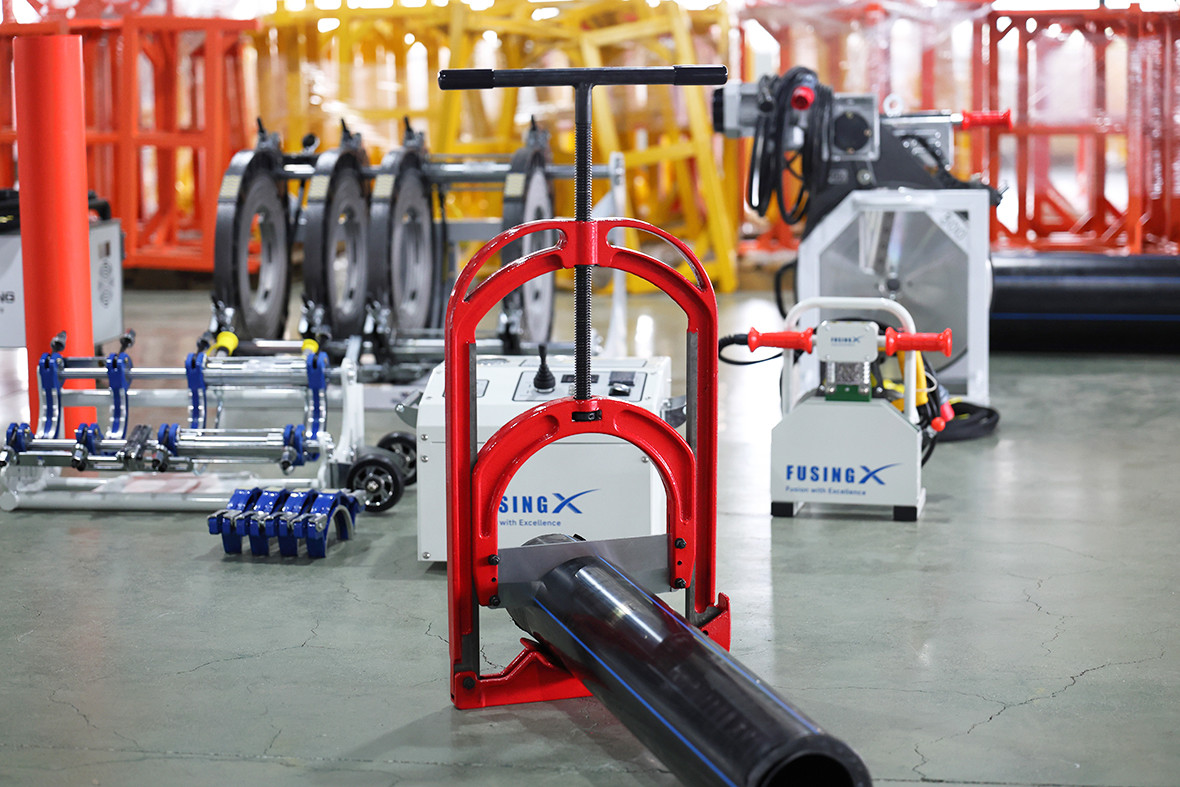
- This article introduces a practical PE pipe cutting method designed for trench and on-site applications. Side-type PE pipe cutters allow cutting when space is limited and pipes are already installed. With clean cuts and minimal debris, this method is suitable for electrofusion and butt fusion preparation, especially for on-site PE pipe installation and adjustment.
In real pipeline construction, pipe cutting is not always done in open and convenient working areas.
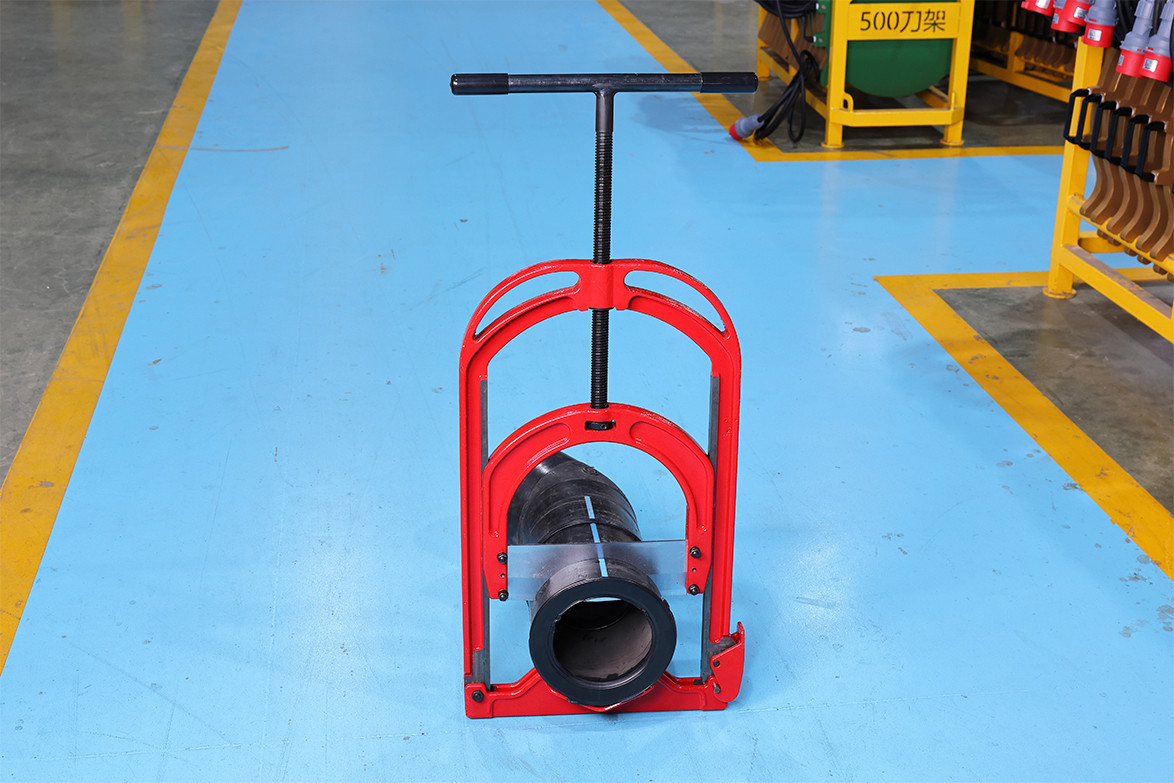
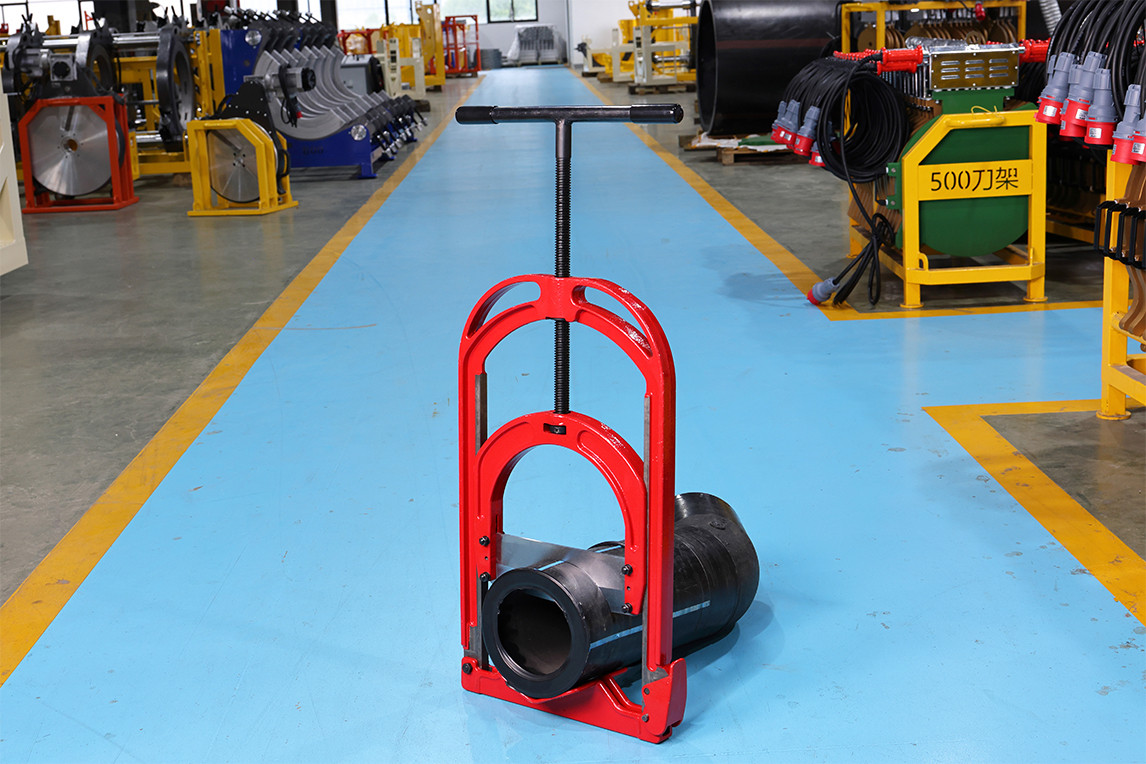
Many pipes are already positioned inside trenches or surrounded by limited space, where bench cutters or large electric machines are difficult to operate. In these situations, side-type PE pipe cutters provide a practical and efficient alternative.
Challenges of On-Site Pipe Cutting
On construction sites, pipe cutting often involves several common difficulties:
· Pipes have already been installed and are hard to move
· Working space inside trenches is very limited
· Cutting must remain clean to avoid contamination inside the pipe
These conditions require tools that are compact, easy to handle, and capable of working reliably in confined environments.
Why Side-Type Cutting Works
Side-type cutters perform the cutting action from the outside of the pipe.
The pipe does not need to be lifted, rotated, or repositioned, and only a small amount of surrounding clearance is required.
This makes the method especially suitable for:
· Trench operations
· Installed pipelines requiring adjustment
· On-site pipe length trimming during installation
Cut Quality for Welding Preparation
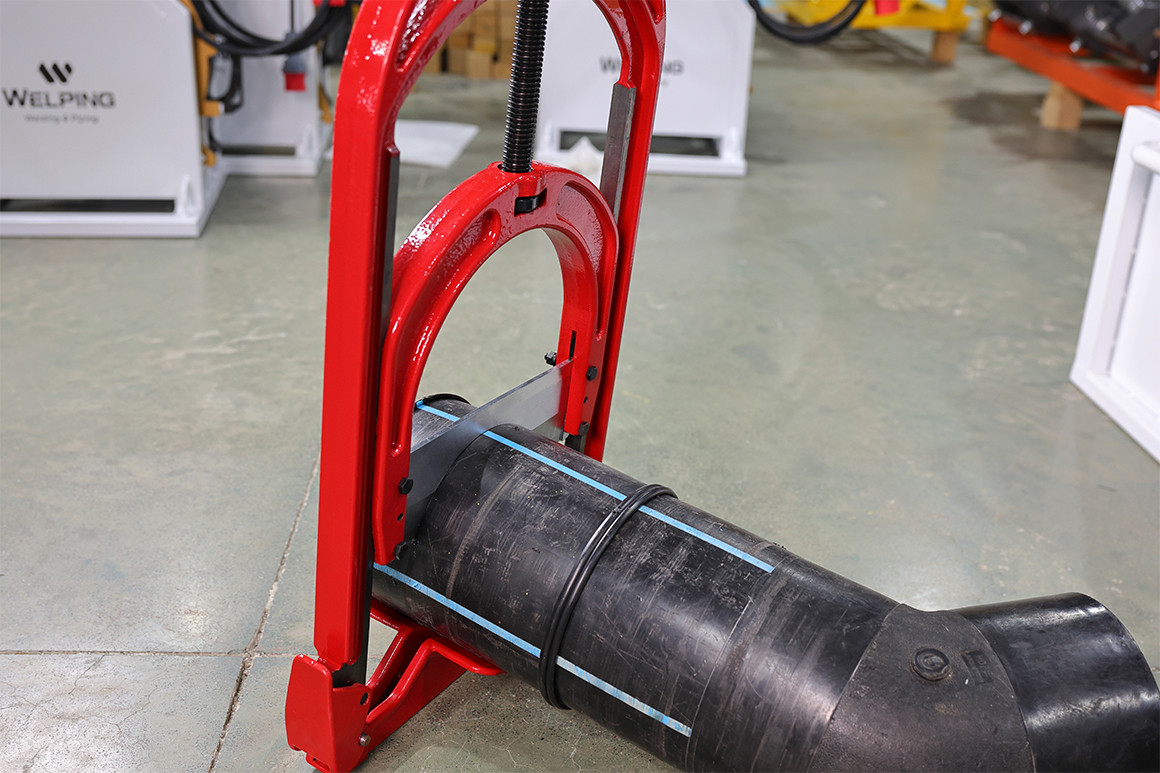
When properly operated, side-type cutters can produce a clean and relatively square pipe end.
For medium- and high-density PE pipes, the cutting deviation remains within an acceptable range, suitable for electrofusion connections and helpful in reducing additional facing work before butt fusion welding.
Clean and Safe Cutting Process
Another advantage of this method is the cleanliness of the cutting process:
· No metal chips are produced
· Minimal debris enters the pipe
· The work area remains safer and easier to manage
This is particularly useful for pipeline systems, valve installations, and subsequent assembly work.
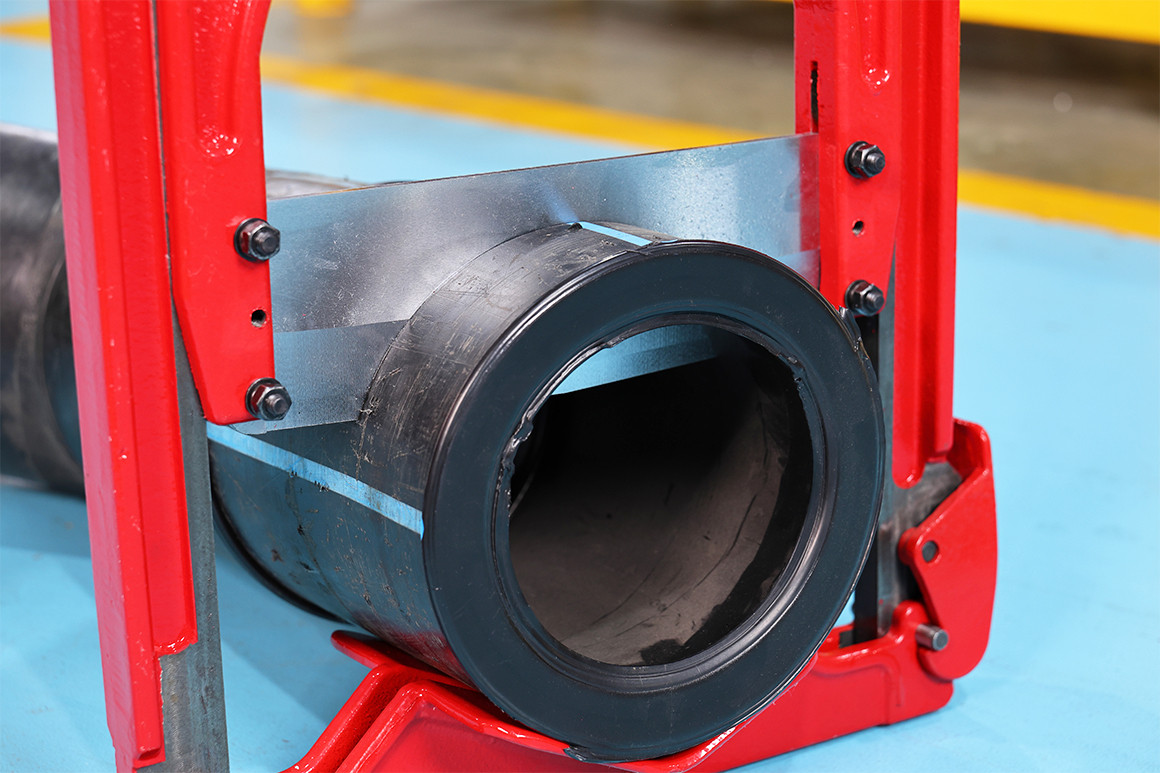
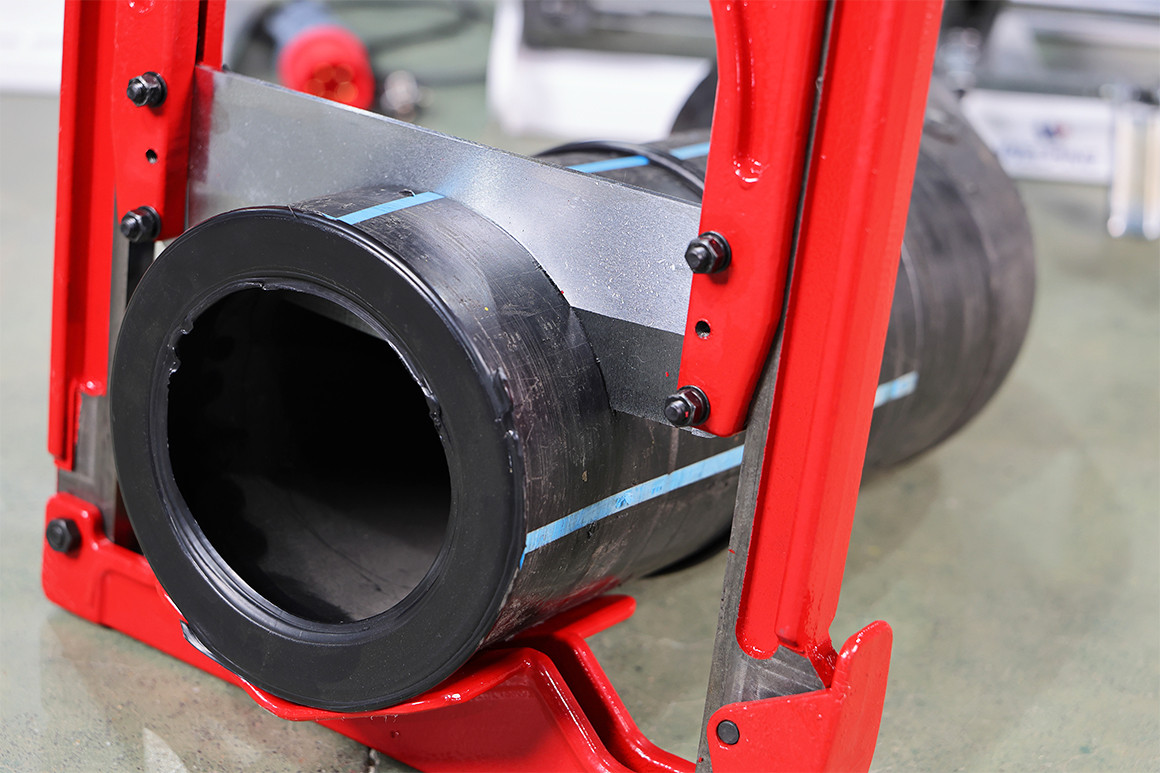
Models and Cutting Capacity
Side-type PE pipe cutters are typically offered in multiple sizes to match different pipe diameters.
Common models can handle PE pipe cutting up to 355 mm, making them suitable for many field installation applications.
Conclusion
Side-type cutting tools are not meant to replace all cutting equipment.
Instead, they provide a practical solution for trench work and space-restricted job sites. When working conditions are tight and pipes are already positioned, this method helps complete PE pipe cutting tasks more efficiently and with greater convenience.