- Home
- About us
- Products
- Butt Fusion Machine
- Electrofusion Machines
- Socket Fusion Tools
- Plastic Extrusion Machines
- Plumbing Tools
- PE Pipe Fittings
- Flange Facing Machine
- Fire Protection Pipe Hanger
- A Series Butt Fusion Machines
- B Series Butt Fusion Machines
- A Pro Series Butt Fusion Machines
- Plastic Pipe Cutter
- A Max Series butt fusion machine
- Fusion Tools & Accessories
- Hinged Pipe Cutters
- Fusion Data Loggers
- Faqs
- News
- Certificate
- Contact us
RG-1C Roll Grooving Machine: Same Performance, Different Configuration
publisherRUBR
time2026/02/17
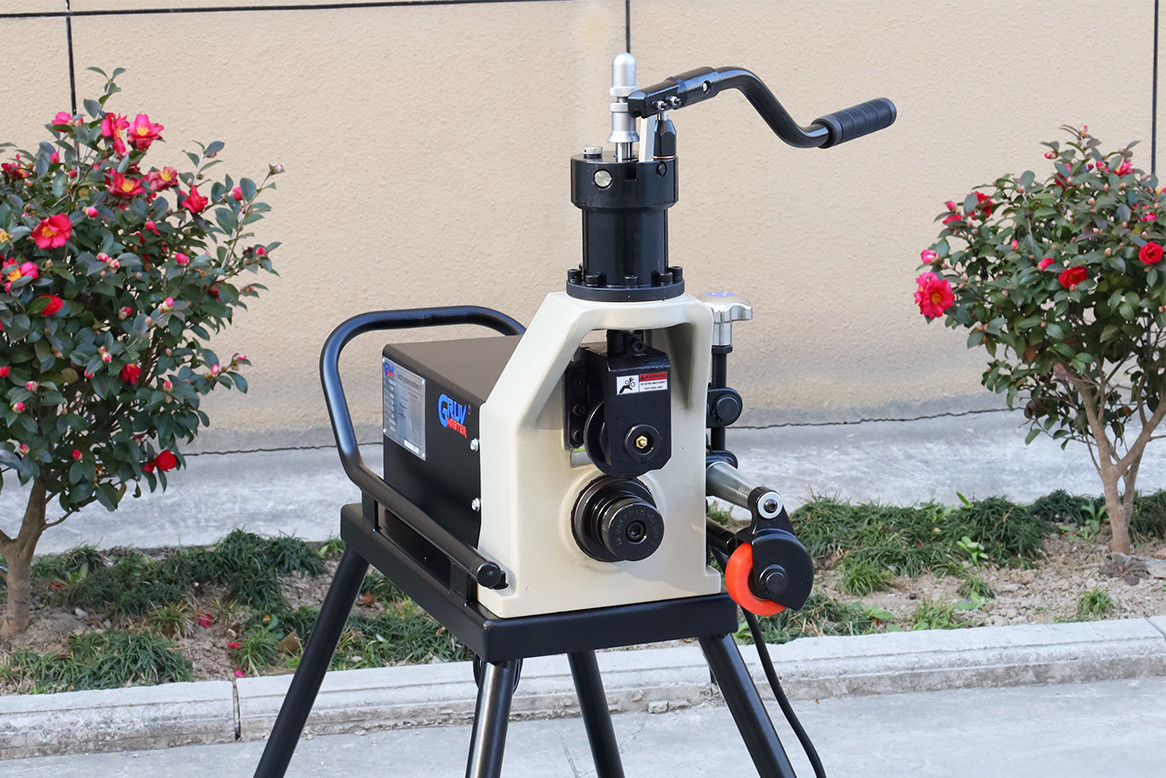
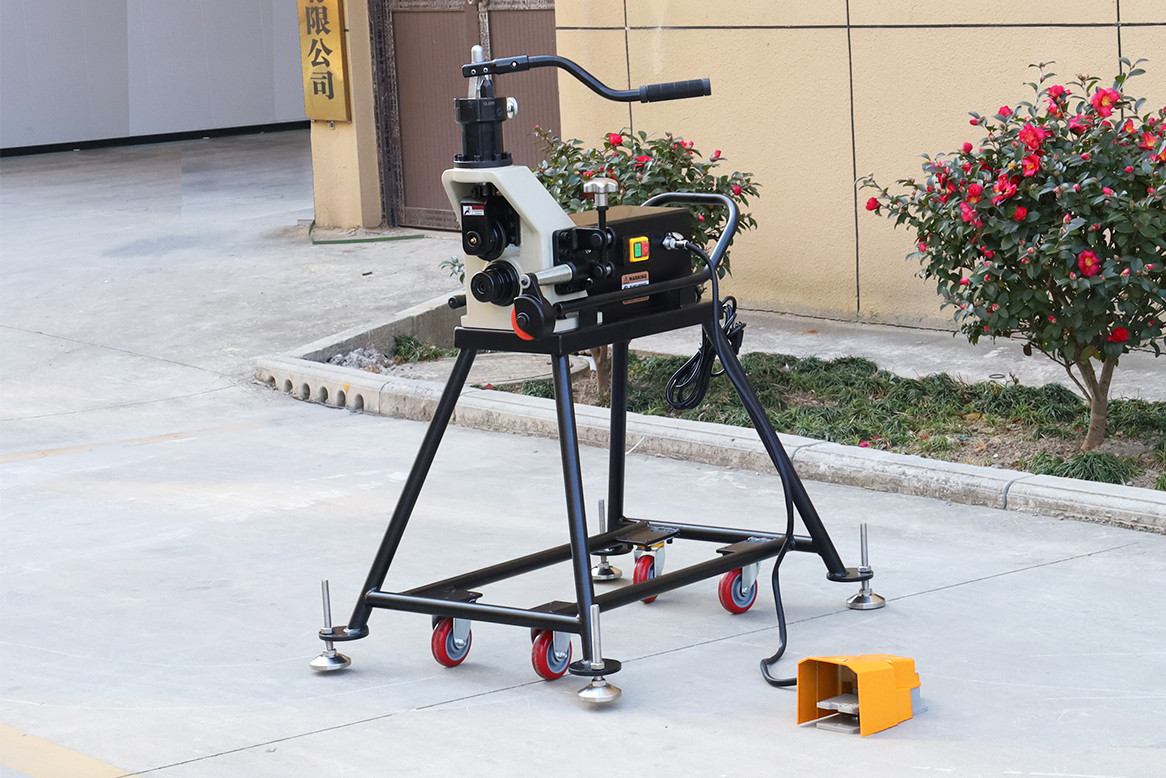
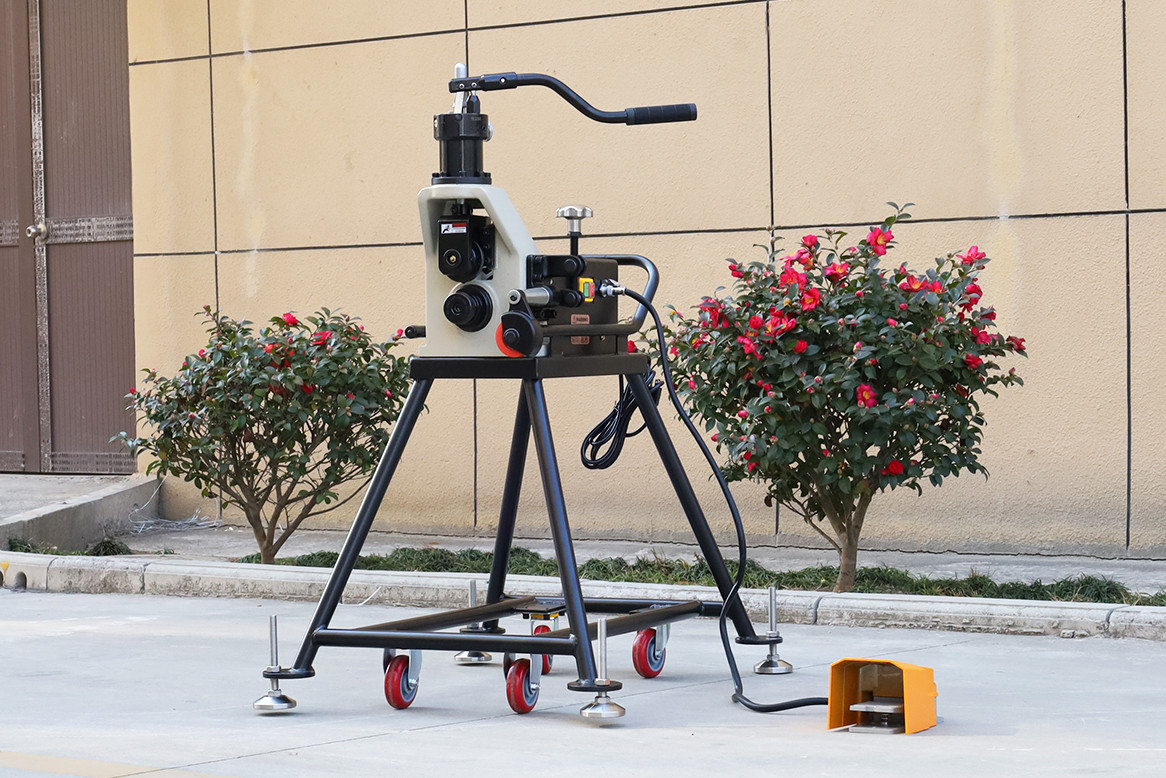
- The RG-1C roll grooving machine shares the same core grooving capability as the RG-1X, with the main difference in its fixed stand and wheels. The added structure does not change grooving performance, but makes stability and handling easier for fixed workshop use. It is ideal for continuous or repetitive grooving tasks at a set workstation.
Identical Grooving Capability
From a performance standpoint, the RG-1C and RG-1X are essentially the same.
Both models use the same core grooving unit, drive system, roller configuration, and pipe size coverage. As a result, grooving force, groove quality, and operating parameters remain unchanged regardless of the stand configuration.
For this reason, the RG-1C should not be considered a higher-performance or upgraded grooving machine; the difference lies elsewhere.
Structural Configuration Differences
The primary distinction between the two models is their overall setup.
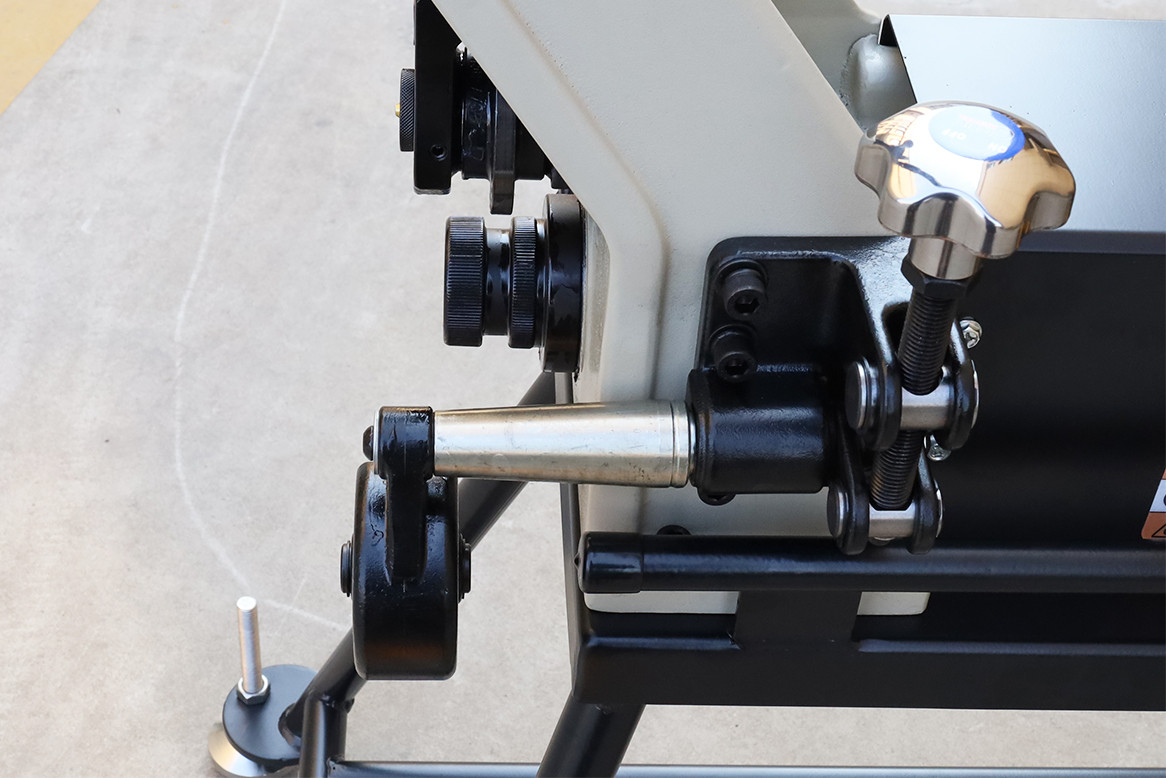
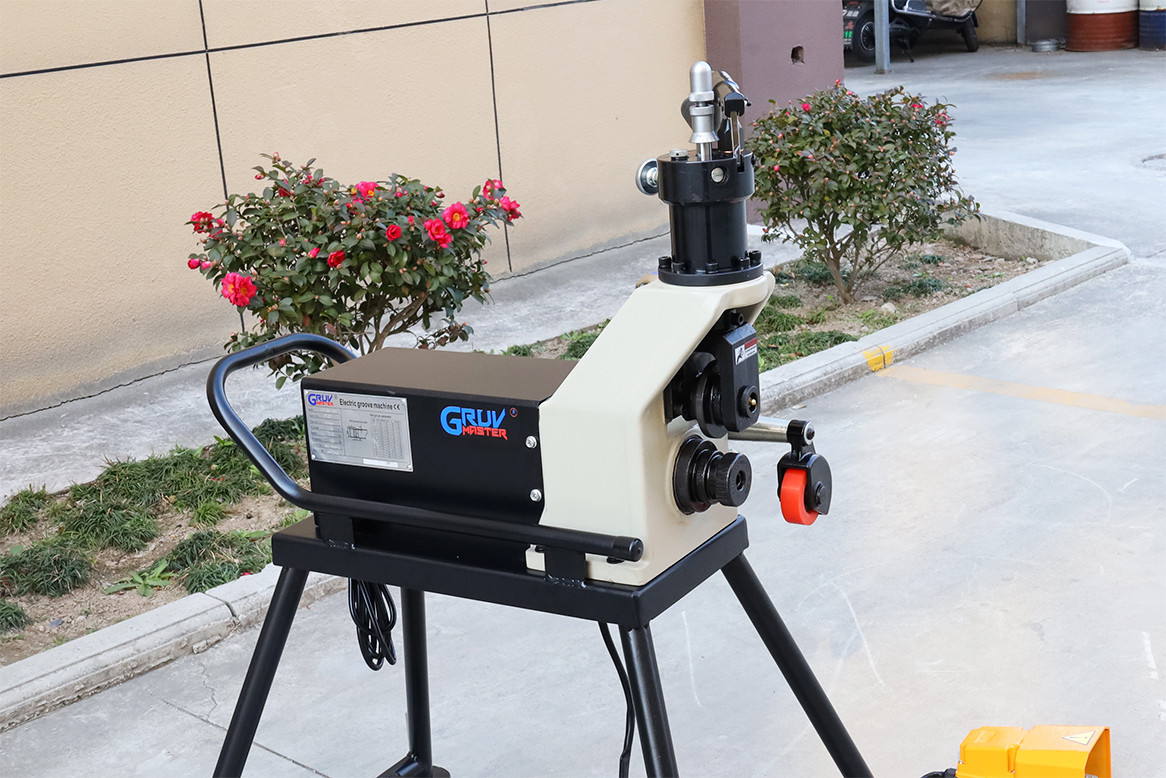
The RG-1X functions mainly as a core grooving unit and is typically installed on a customer-supplied stand or workbench. The RG-1C, on the other hand, incorporates the same core unit but is supplied with a fixed stand and wheels, forming a complete, self-supporting machine that can be positioned easily within a workshop.
These structural additions do not participate in the grooving process itself and therefore do not influence performance.
Why RG-1C Is Preferred for Fixed Workstations
Although both machines provide the same grooving capability, the RG-1C offers practical advantages in fixed working environments.
Its integrated stand keeps the machine height and position consistent, reducing the need for repeated adjustments. During batch or repetitive grooving operations, this helps maintain a smoother workflow and more predictable operating rhythm.
Typical applications include:
· Fixed workshop stations
· Continuous or batch grooving tasks
· Projects involving relatively consistent pipe sizes
In such situations, the benefit of the RG-1C is not greater power, but greater operational stability.
Selecting Between RG-1C and RG-1X
For applications that require flexible mounting arrangements or integration with various fixtures, the RG-1X provides greater adaptability.
When the machine is intended to remain in a fixed position and long-term stability and ease of use are priorities, the RG-1C is generally the more convenient choice.
Ultimately, the difference between the two models is not performance level, but how and where the equipment is used.
Summary
The RG-1C can be understood in simple terms:
It does not increase grooving power— it makes grooving easier to maintain consistently in a fixed workstation setup.
For more information about roll grooving machine models and series configurations, please visit the related product pages.